by Kim Berg, CoopCrate staff writer

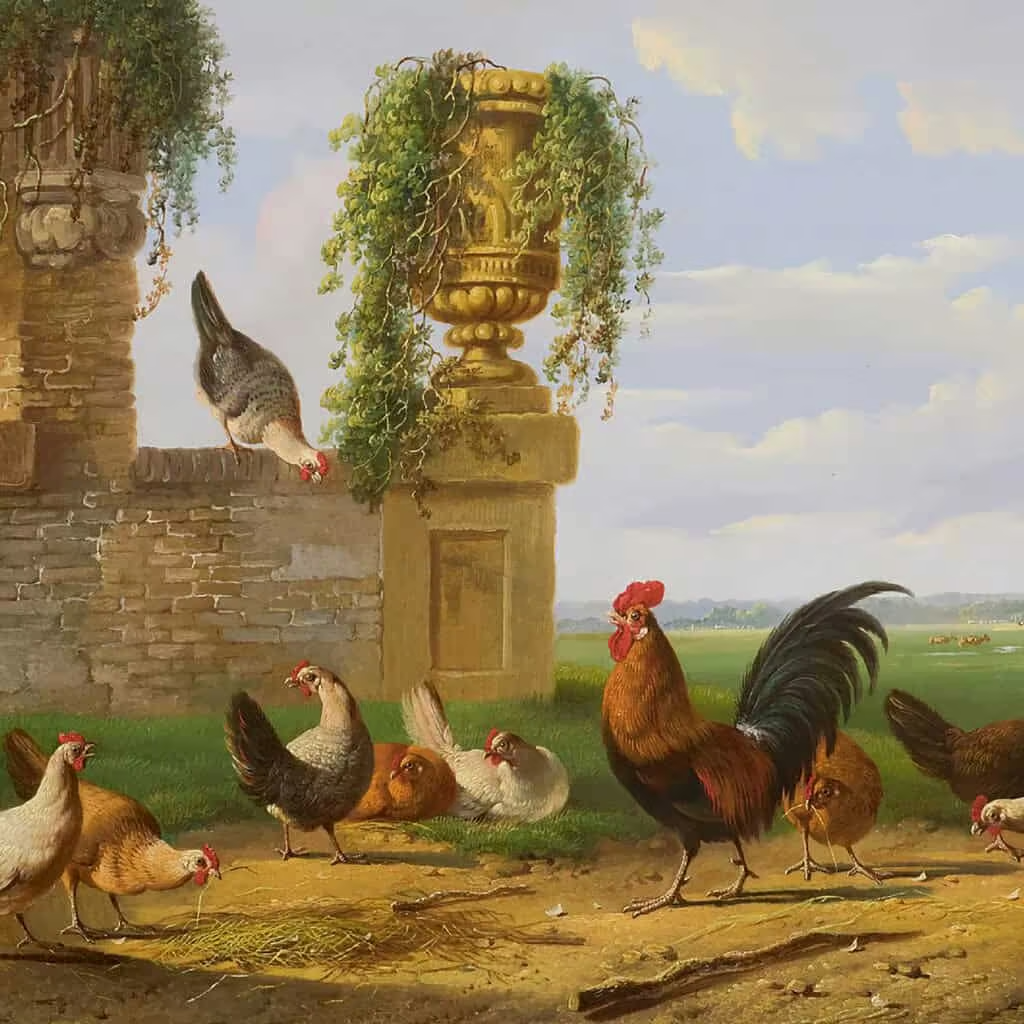
Welcome to the fascinating world of domesticated chickens! These beloved birds have been a part of human history for thousands of years, providing us with eggs, meat, and companionship.
In this brief history, we’ll explore the captivating journey of chickens from their wild origins to their place in our backyards. Get ready to learn about the different stages of chicken domestication, the development of various breeds, and some interesting facts along the way.

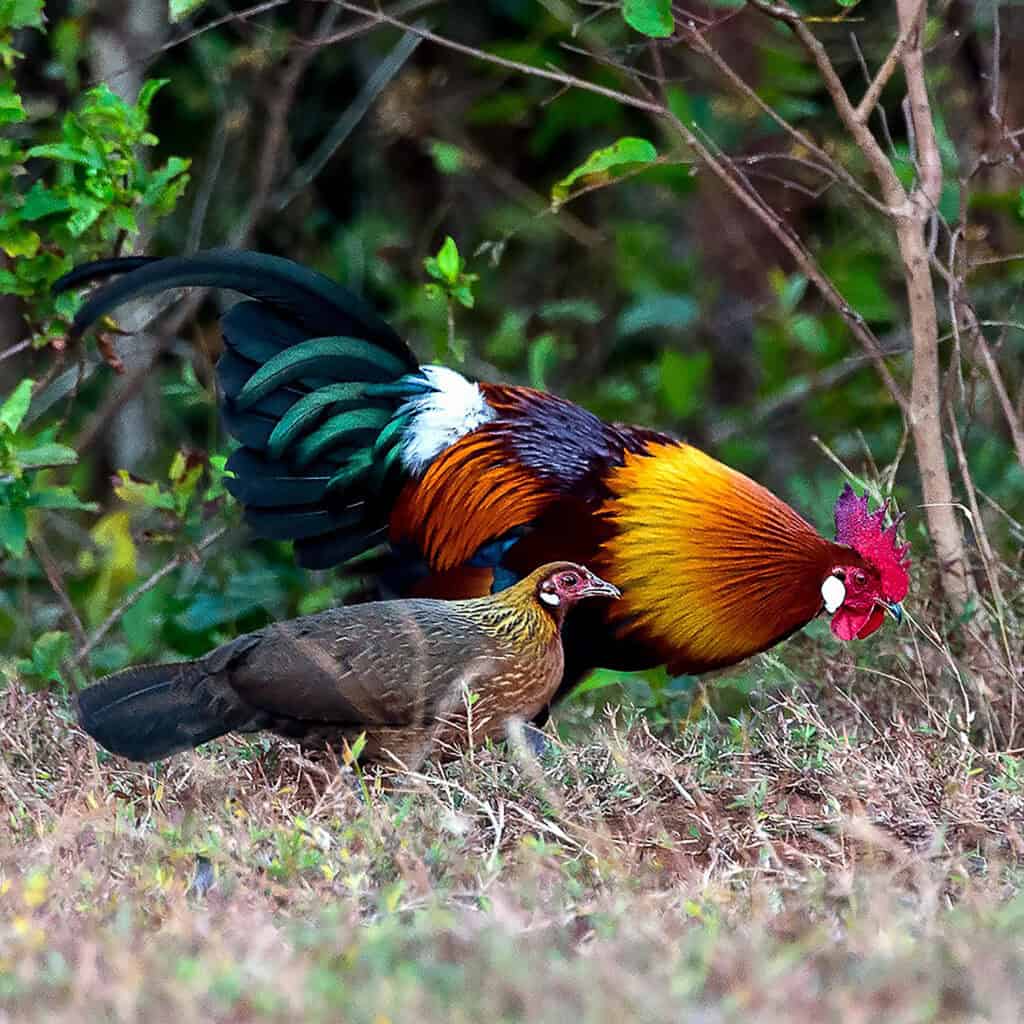
The ancestors of modern chickens are the red jungle fowl, native to Southeast Asia. These wild birds were first domesticated around 8,000 years ago in the region now known as Thailand and Vietnam. Ancient humans were drawn to these birds for their meat and eggs, and over time, they began to selectively breed them for desirable traits.
This marked the beginning of a long and complex relationship between humans and chickens, leading to the diverse array of breeds we know today.
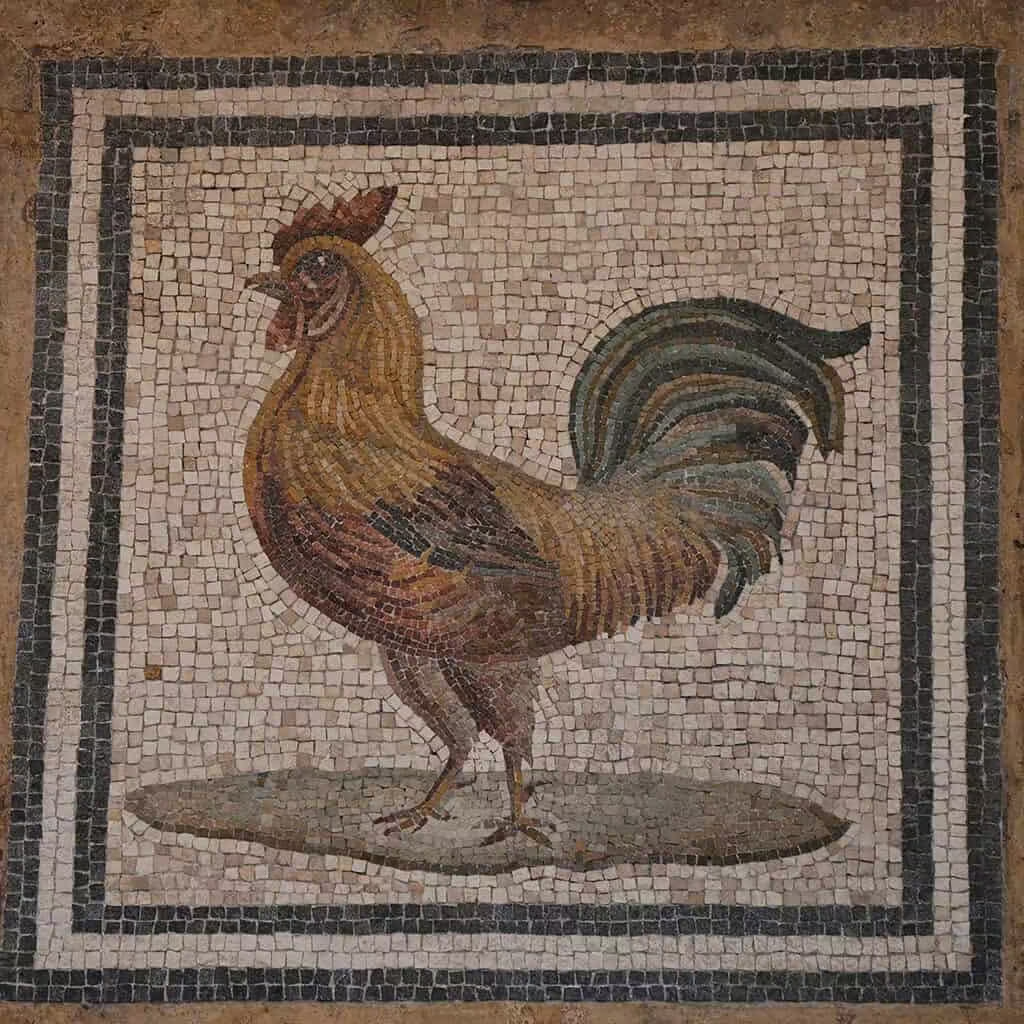
As early civilizations grew and traded with one another, domesticated chickens spread to other parts of Asia, the Middle East, and Europe. They were prized for their adaptability, hardiness, and egg-laying abilities. In ancient Egypt, Greece, and Rome, chickens were not only valued for food but also held religious and cultural significance.
By the Middle Ages, chickens had become a common sight in European villages and towns, where they were raised for both eggs and meat.
Over centuries of selective breeding, numerous chicken breeds emerged, each with unique characteristics suited to different purposes and environments.
Some breeds were developed for their exceptional egg-laying abilities, while others were prized for their meat quality or attractive appearance. Breeds like the Rhode Island Red, Leghorn, and Plymouth Rock became popular for egg production, while the Cornish and Brahma were favored for meat. Ornamental breeds, such as the Silkie and Polish, were also developed for their unique feathers and colors.

In the 20th century, the poultry industry underwent significant changes with the advent of large-scale, industrialized farming practices. Commercial breeds were developed to maximize egg and meat production, often at the expense of the birds’ welfare.
However, in recent years, there has been a growing interest in raising chickens in more humane and sustainable ways, leading to a resurgence of heritage breeds and small-scale, backyard chicken keeping.
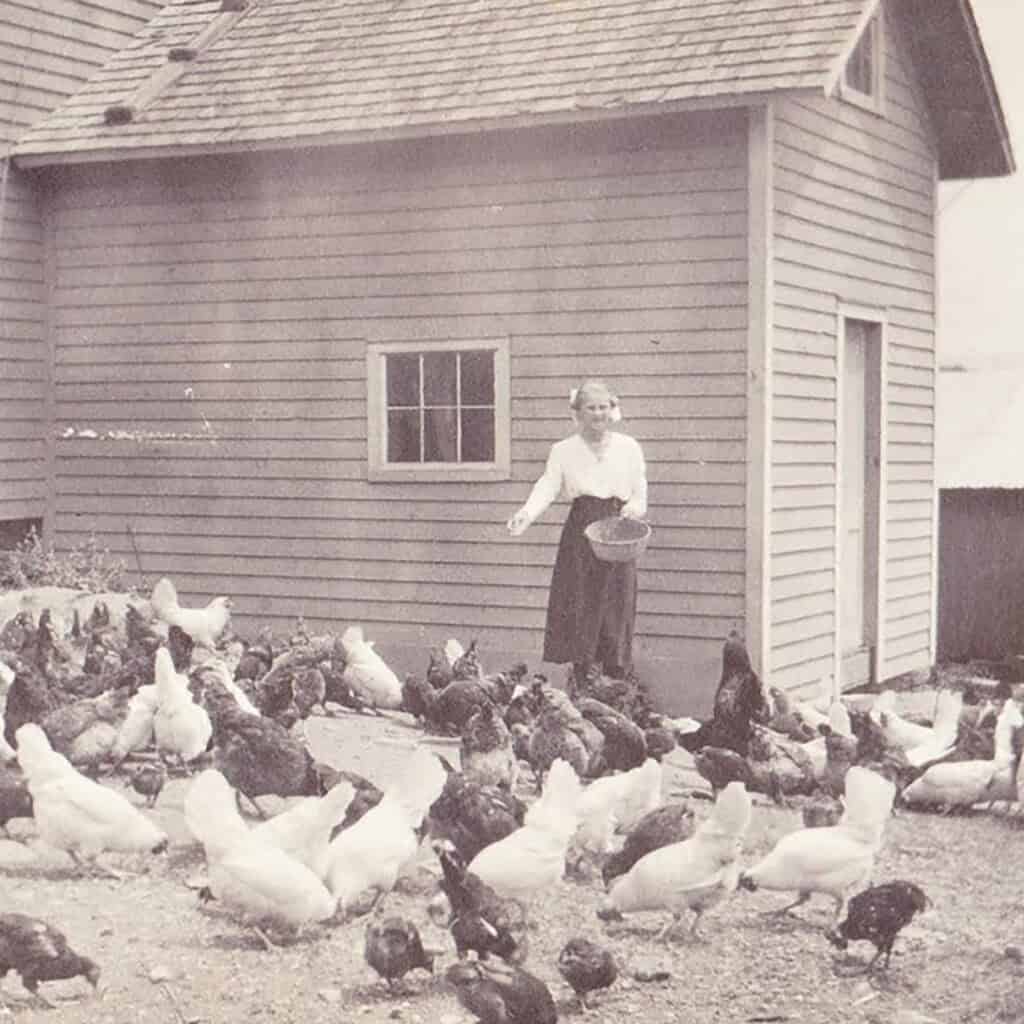
Today, many people are rediscovering the joys and benefits of raising chickens in their own backyards. Not only do these birds provide fresh eggs and meat, but they also offer companionship, pest control, and valuable fertilizer for gardens.
Backyard chicken keepers have the opportunity to connect with their food source and experience a slice of the rich history of chicken domestication. By choosing heritage breeds and providing a safe, healthy environment, they help preserve the genetic diversity of these fascinating birds.

From their wild origins to their place in our backyards, chickens have played a significant role in human history. As we continue to learn from and appreciate these remarkable birds, we honor the long and complex relationship between humans and chickens, ensuring that future generations can enjoy their many gifts and fascinating history.