
by Kim Berg, CoopCrate staff writer
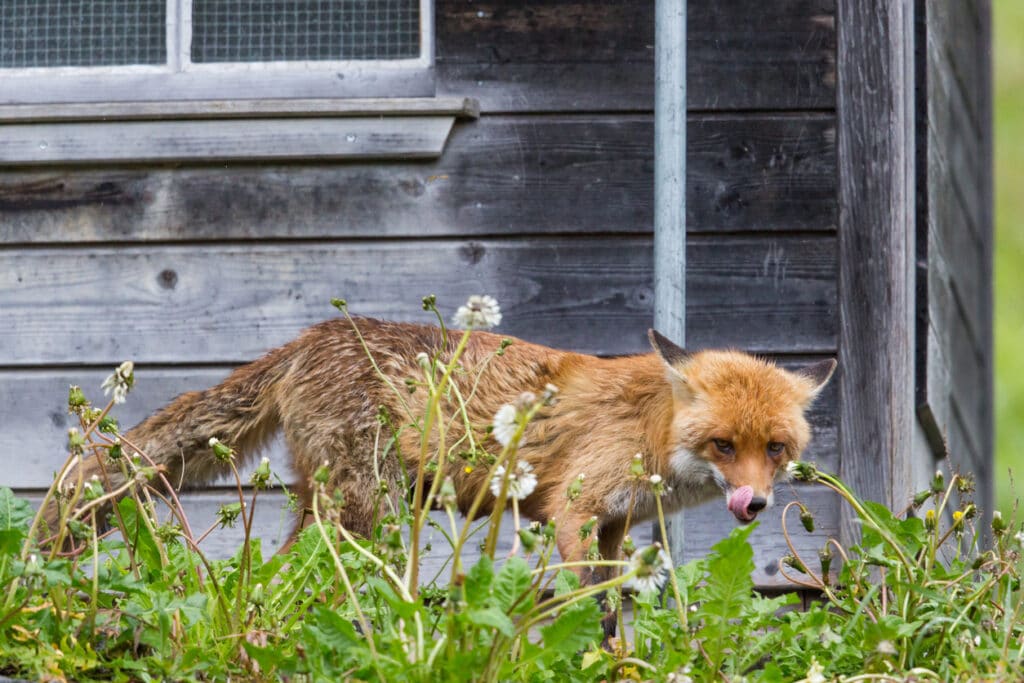
As a backyard chicken keeper, you have probably already considered the different types of chicken predators that are native to your area. Knowing how to keep your coop secure is crucial to the health and longevity of your entire flock. Whether these predators have been an issue in the past, or are just in the back of your mind, here are a few steps that you can take to protect your chickens.
1. Do not allow your chickens to roost outdoors. Chickens are most vulnerable to predators while they are roosting, so you should ensure that they are choosing an enclosed space to do so. If possible, your chickens should be locked in their coop at night. Check the run to ensure that all chickens have made it into the coop before shutting the doors.
2. Use more complex locks on the coop doors. Intelligent predators, such as raccoons, can often figure out simpler locks (such as those that require a simple twist and slide). A lock with an additional step, such as a clip to secure it, may be the best choice.
3. Cover the roof of your coop. This is best for keeping flying predators, such as hawks, from honing in on your flock. Some chicken owners even net the area above their coop to prevent flying predators from landing on it.
4. Conceal your chickens’ feed. Consider a treadle feeder that will only dispense food once activated by your chickens. Food that is kept out in the open will be more likely to attract predators to the area.
5. Provide shelter if your chickens free range. Consider adding boxes and bushes to your free ranging area, allowing your chickens a safe hiding space in the presence of a predator.
6. Add a rooster to your flock. If roosters are permitted in your area, they can be fabulous guardians for your hens. Roosters will alert your hens to take cover if they sense danger, and will even attempt to defend their flock from an incoming predator. If you would rather not get a rooster, other animals, such as dogs or larger livestock, might be enough to deter predators if they are kept in the vicinity of your coop.

7. Use hardware cloth instead of chicken wire. Some predators, such as snakes, can sneak through smaller openings in your average chicken wire. Other animals, such as cats and raccoons, can stick their paws through it, which can still do plenty of damage to your flock. Hardware cloth is significantly more secure than chicken wire, with small holes that add protection while maintaining ventilation.
8. Use hardware cloth around the bottom of the coop to keep digging predators out. Surround your coop with hardware cloth, but try burying it 12 – 18 inches into the ground. That way, digging predators (such as coyotes) cannot get under the fencing to snatch your chickens.
9. Install motion-activated lights. This is a great way to startle night-time predators, and will usually interfere with their nocturnal instincts to hunt.
If you own chickens, a predator is likely to pay your flock a visit at some point. There is nothing more devastating than walking out to your coop and finding your favorite hens missing. Even chickens that have been simply startled by predators can suffer from the encounter, and will be less likely to lay eggs due to nervousness. If you suspect that a predator has paid your coop a visit, it’s time to get to work!