
by Kim Berg, CoopCrate staff writer
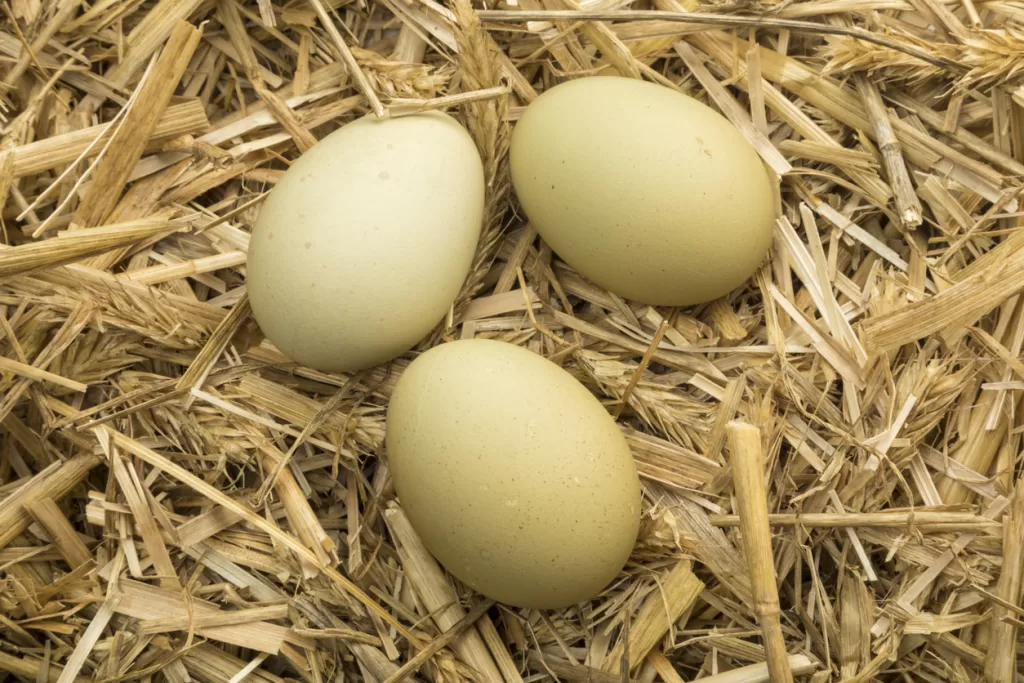
You eagerly walk out to the coop in the morning, only to be disappointed by the lack of eggs. Most chicken owners have experienced this feeling at one point or another. There are many circumstances that could cause your hens to stop laying eggs… here are some of the most common!
1) Aggression. If your flock has aggressive chickens, they might bully other chickens to the point of not laying eggs. All flocks have a pecking order, but if you notice excessively aggressive behavior, you may be better off separating your chickens to increase egg production and their overall happiness.
2) Parasites. Diarrhea, changes in eating habits, weight loss, and infrequent laying can all be symptoms of internal parasites. Your veterinarian can diagnose these with a fecal test. External parasites, such as mites, can cause anemia when the feed on your hen’s blood. Make it a habit to check your hens frequently for mites and lice.
3) Illness. A sick hen will spend her time fighting off the illness rather than producing eggs. Some common chicken illnesses are fowl pox, infectious bronchitis, Marek’s disease, Newcastle disease, and coccidiosis. If any of your birds show signs of disease, it’s important to isolate them quickly to protect your flock.
4) Trauma. Injury and the resulting trauma can cause a hen to stop laying eggs. In addition, if your coop has recently been invaded by a predator, the surviving hens may stop laying until they settle once again.
5) Your hens are too young. Most hens start laying eggs between 4 to 6 months of age. Certain breeds, such as Silkies, might not start laying until around 9 months old. Just because your hen looks fully grown, does not mean she is ready to lay!
6) Your hens are too old. Once your hens reach two years of age, their egg production will begin to slow down (though it shouldn’t stop altogether!).
7) Your hens are too broody. Because of hormones, your hens may choose to sit on eggs rather than lay new ones. You can help prevent a broody hen by taking away her eggs daily.
8) Your hens have an insufficient diet. Make sure your hens have access to clean water and good quality feed. If your hen lacks in vitamins and minerals, this could cause her to stop laying. A balanced feed for egg layers should have between 16-20% protein and additional calcium, magnesium, and probiotics.
9) Your hens are molting. Molting usually begins in the fall, and typically lasts for 2 months. Her feathers will fall out, and egg production will decrease. Once molting is done and her feathers grow back in, egg production go back to normal.
10) Seasonal changes. Brutal summers and winters can slow the laying of your hens. In addition, hours of daylight play a role. Most hens won’t lay in the winter due to shorter days. If this is a concern of yours, you can add a lamp to light your coop a few extra hours.
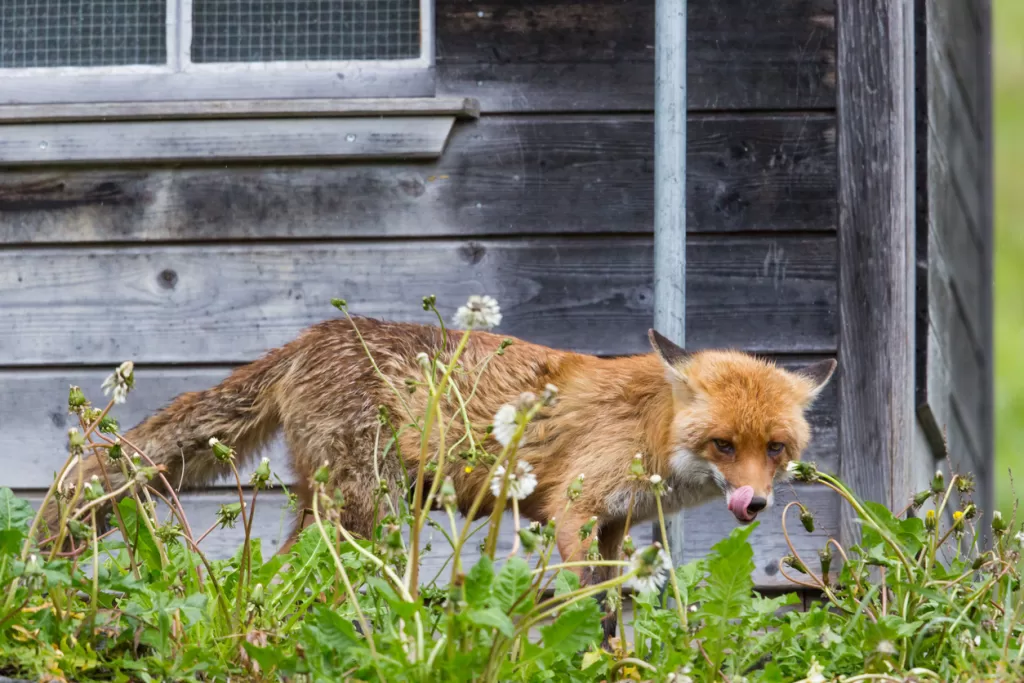
11) Your eggs are being eaten. Predators are a common reason for eggs to go missing. Raccoons, foxes, opossums, snakes, and even squirrels can break into your coop and steal your eggs. Always ensure that your coop is secure in the evenings, and maybe add an extra latch or two.
Hens are even known to eat their own eggs at times! To prevent this, you need to prevent eggs from cracking. Make sure that you have plenty of nesting boxes that will prevent eggs from bumping together and breaking open.
Hopefully, this guide will get you started on finding the reason (or reasons!) why your hens aren’t laying. When in doubt, ask a veterinarian!