
by Kim Berg, CoopCrate staff writer
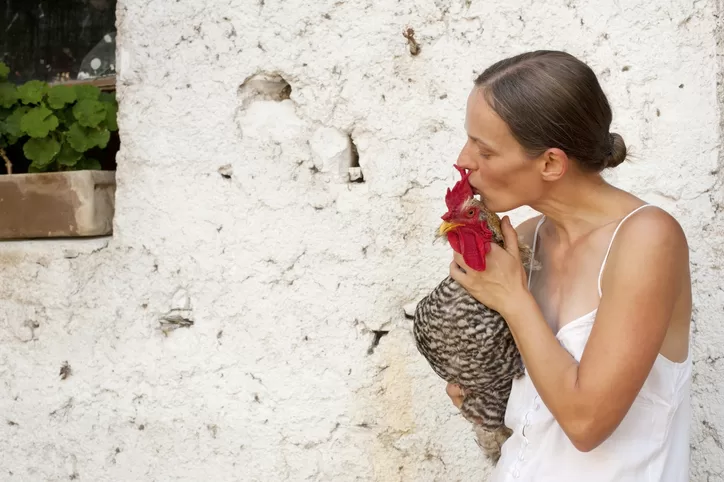
Pet losses can hit us just as hard as any other loss, including the loss of a chicken. Whether you were expecting it or not, you’re right for feeling everything you are feeling during this time. Losing a chicken may feel like losing a big piece of your heart or a cherished family member. There’s no way around grief, but there are steps you can take to properly mourn and eventually make peace with the situation in a healthy way. Here are some likely feelings one may experience when grieving the loss of a member of your flock.
What Is Grief?
Grief is a response to the loss of someone, or something you’ve built a strong connection with. It’s a unique experience for each individual, so no two people really grieve exactly the same. Grief is transformative, as it allows you to reflect on your chicken’s many contributions to your world. This allows you to mindfully live your life with your beloved one still in your heart. Since many chicken keepers build a strong connection with their flock, it’s perfectly normal to experience some, or all of the five stages of grief.
The five stages of grief are: Denial, Anger, Bargaining, Depression, and Acceptance. Let’s take a look at each of these stages to have a better idea of what to expect during each one:
1. Denial
Often the first reaction to grief, denial may be experienced before or after your chicken passes. Denial is our subconscious mind’s way of blocking out the initial pain of grief, so we can properly process it. If we were to feel all the emotions from losing our beloved chicken at once, it could be too much to handle.

2. Anger
This stage of grief can be hard on everyone affected by the loss. You may lash out on close friends and family members, become frustrated with yourself, and even show resentment toward your feathered friend for leaving you. Remember not to be too hard on yourself or anyone else experiencing anger during this difficult time, it is only temporary and your loved ones understand your pain.
3. Bargaining
Full of “what if” and “if only” thoughts, bargaining is your mind’s way of dealing with circumstances beyond your control. It may feel as if you could’ve done something differently to save your chicken, but the reality is, death is often out of our control. It’s helpful to talk through these thoughts with a loved one so they can reassure you that you are not at fault, even if it’s tough to understand that right now.

4. Depression
At this point, this new reality may seem a bit heavy. You might even feel as if you’re neglecting your other chickens while processing this loss. As with any loss, it’s absolutely reasonable to experience a period of depression. Just remember depression is not forever, nor is it uncommon, and you will find happiness again.
5. Acceptance
It’s at this stage where you may start coming to terms with your new reality, one without your chicken. Acceptance is no cure-all, and it certainly won’t happen overnight. But over time, you will begin to figure out what a life without your chicken looks like.
Once you’ve accepted the truth, you can start to live again! You may think about adjusting your daily routine with your other chickens to better fit your needs. There’s always the option to bring a new chick into your life when you are ready! If you lost your only chicken, you might consider joining a community where you can still be involved with the chicken-keeping life. Every step you take to feel more “yourself” at this time will benefit you greatly.

Grieving the loss of a chicken has no designated time frame, and it often hits us surprisingly hard. But with support from your loved ones and dedication to working through this process, you can eventually make peace with the situation and live a fulfilling life with your feathered friend forever with you, in your heart.