
by Kim Berg, CoopCrate staff writer
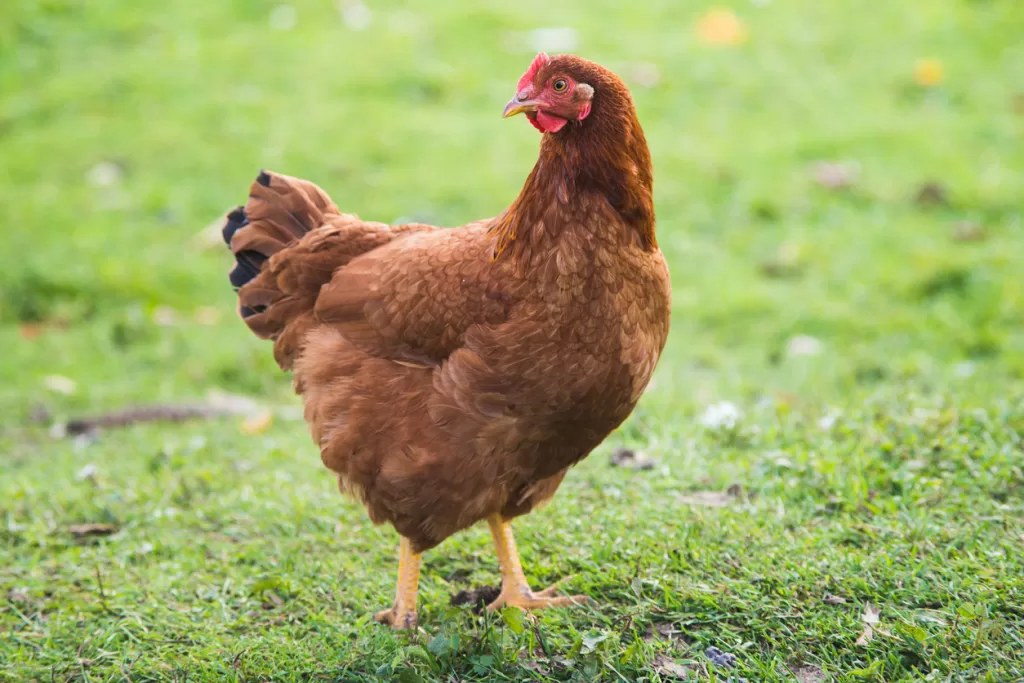
There are hundreds of chicken breeds available for purchase, and you may be wondering which one is best for you. Fortunately, you don’t have to settle for one breed and one breed only! Typically, chickens of different breeds will get along in the same living quarters. Here are some things to consider when choosing breeds of chickens for your coop.
Climate
Ultimately, your chickens’ comfort should come first. This is why it’s important to choose breeds that are suitable for the climate that they’ll call home. Phoenix and Minorca chickens are a fan of warmer temperatures. Other great choices would be Andalusians, Leghorns, and Penedesencas. Their smaller bodies and large combs help them stay cool in high temperatures. If you live in a cooler climate, consider Brahma and Chantecler chickens. Australorps, Buff Orpingtons, Wyandotte’s, and Cochins would be also be great for these climates, as would most breeds with larger bodies and smaller combs.
Temperament
In general, bantams would be a great choice for a family with young kids, as they are a bit smaller in size. Australorps, Brahmas, and Buff Orpingtons tend to be more “cuddly” breeds, and would also be suitable for families. In general , meat breeds are on the more laid back side, while layer breeds can be a bit more on the anxious side. Silkies and Cochins tend to be more broody than other breeds, and will do anything to incubate their chicks! Lastly, as you might suspect, breeds developed for cockfighting tend to be more aggressive, and should be avoided in a family setting.
It’s important to remember that temperament varies with each individual chicken. Just because a group of chickens are the same breed does not mean they will always behave the same way!
Egg Production
Egg production varies with the breed of chicken. Bantam chickens, though popular, lay small eggs. ISA Browns, New Hampshire Reds, Rhode Island Reds, and Pearl-White Leghorns are known to lay eggs that are quite large. As far as quantity, Australorp, Barred Rock, Delaware, Leghorn, Rhode Island Red, or Sussex chickens are known to lay the most eggs.
Egg Color
Color should be one of your last considerations when choosing a breed of chicken. Most breeds lay brown eggs or white eggs, but there are some exceptions to this. Salmon Faverolles lay eggs that are more of a cream color. Araucana, Ameraucana, and Cream Legbar lay light blue eggs. Marans lay beautiful chocolate brown eggs, while Olive Eggers lay, you guess it… olive green eggs! Easter Eggers will lay eggs in a variety of colors. The fun part about those? You’ll never know what color you’ll get until your hen starts laying!

Your Experience Level
If you are a beginner, consider Australorps, Delawares, Plymouth Rocks, New Hampshires, and Rhode Island Reds. All of these breeds are low-maintenance, have great personalities, and can adapt to most climates. They have the best traits for newbies when it comes to the categories we just discussed.
IN THE END…
If you have questions about a particular breed of chicken, consider talking to someone that breeds them. No matter what breed of chicken you choose, you are bound to enjoy their presence and full baskets of eggs!