
by Kim Berg, CoopCrate staff writer
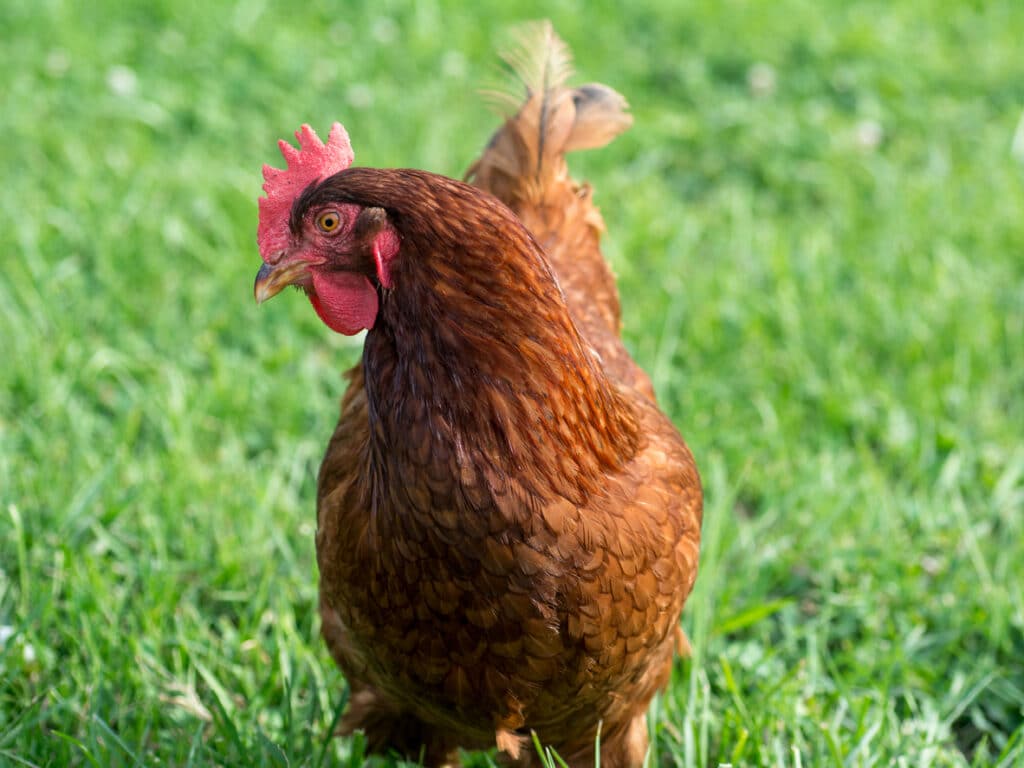
Today, the lifespan of a backyard chicken can be anywhere from 3-10 years (or older, if you’re lucky!). What contributes to this range?
Often times, this depends on whether you own “heritage hens” or hybrids. Heritage hens have been bred naturally with their own kind and have natural laying cycles of 2-3 years, contributing to their longer lifespan. Hybrids, on the other hand, have been manipulated by humans to be more productive egg layers. Their laying cycles typically end by the second year. Due to this human manipulation and an abundance of resulting health issues, hybrids have a shorter lifespan.
Despite these genetic factors that we cannot control, there are some things that you can do to increase the life expectancy of your chickens. Keep reading to learn more!
Prevent Disease
Practice biosecurity! Wash your hands before handling your chickens. Maintain a “closed” flock… don’t let outside chickens join your own without quarantining them beforehand. Quarantine chickens that appear to be sick, and always handle them after handling your healthy chickens.
In addition, provide dust baths to help your chickens keep lice and mites away. An infestation of these pests can cause a vast array of health issues.
Feed Appropriately
Feed has been specially formulated to support your chicken during their unique stages of life. You can purchase chick starter feeds, grower feeds, finisher feeds, layer feeds, and more. This takes the guesswork out of feeding and ensures your chicken is getting proper nutrition.
Keep in mind, it’s possible to overfeed your chickens. Overweight hens are prone to joint problems, heart problems, and respiratory issues. As yummy as treats can be, feeding them in moderation can help improve the longevity of your flock.

Prevent Predators
There are several things that you can do to keep chicken predators at bay. Use hardware cloth on your coop instead of chicken wire. Always keep your coop closed at night, and secure it with a lock that is predator-proof. If your chickens free range, provide plenty of places where they can take cover in the event of predators. Taking these steps will help your flock live a long and stress-free life!
You can read more about preventing chicken predators here.
Provide Space
In general, hens that live in larger, airy spaces will live longer than hens that do not. This is why backyard chickens live much longer than ones used for meat and egg production. Commercial hens are more prone to respiratory conditions because of the close quarters and dust.
Free ranging is very beneficial to your chicken’s overall well-being, assuming you are doing what you can to prevent predators.
If you take great care of your chickens and work to keep predators away, you can expect them to live long, happy lives. Matilda, the world’s oldest chicken, lived to be an astounding 16 years old!